
Thankful: Miantonomo Also Indigenous Cape Cod Corn Hill, First Encounter
Re-visit Miantonomo? Still astounded that someone took the memory stones pile to re-purpose for house and barn foundations. I mean, c’mon, how many other stone “conversations” have been altered by people not understanding their meaning?
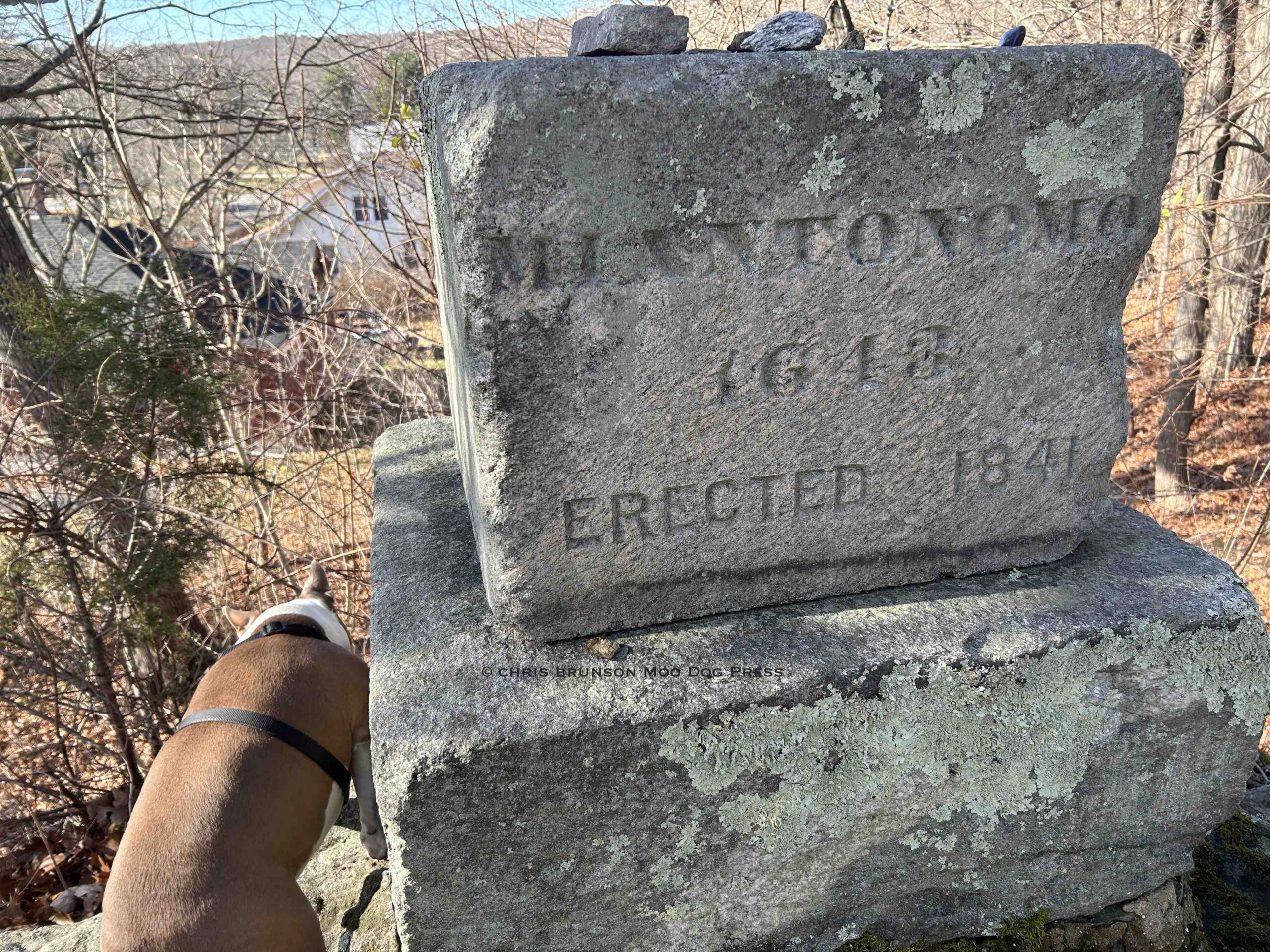
Stones left for his memory. Respect.
The more read and learned, the greater the curiosity–why Miantonimo’s proposed federation of tribes was not embraced. And just how red-hot was the hatred Uncas felt towards him?
(One man embraced the colonists as inevitable, the other wanted to resist the encroachments in every way.)
As our roving reporter commented: “That’s why Uncas has a CT state park and Miantonimo’s memorial stones became the foundation of a barn.”
Hmmm. There’s a pattern here isn’t there?
“…1909, McClellan Mathewson, overseer of the Turkey Hill tribe, sued Eunice A. Wakelee and the other heirs of deceased former overseer Watrous C. Wakelee, who had “sold certain real estate belonging to said tribe under the authority of the Superior Court of New Haven County, for the sum of $1,000” in May 1871. However, Wakelee “did not deposit any money in the Derby Savings Bank in the name of said tribe, or in his own name as overseer of said tribe, or in any other manner for the benefit of said tribe.” When Wakelee passed away in 1878, his estate was distributed to his heirs.”
—New Haven County Court Records, Tracing Indigenous Presence in the New Haven County Court Records by Sarah Morin, Nov. 21, 2023.
“As the following census data demonstrates, European colonists often under-documented or failed to document Indigenous presence in New Haven County…”
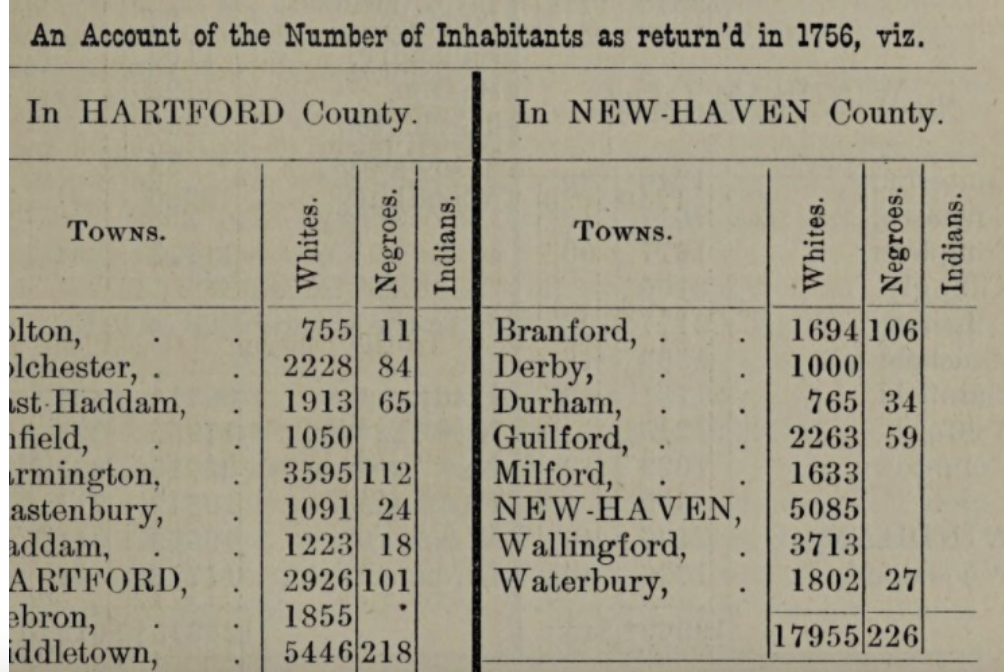
Not being counted does not mean you aren’t there. Connecticut State Library, linked.
An exploration to Corn Hill, First Encounter Beach, and other sites over a blasting cold Thanksgiving weekend years ago made the past truly come to life. Though not visible, the interactions of humans from two cultures remain for those with imagination. Go there in November.
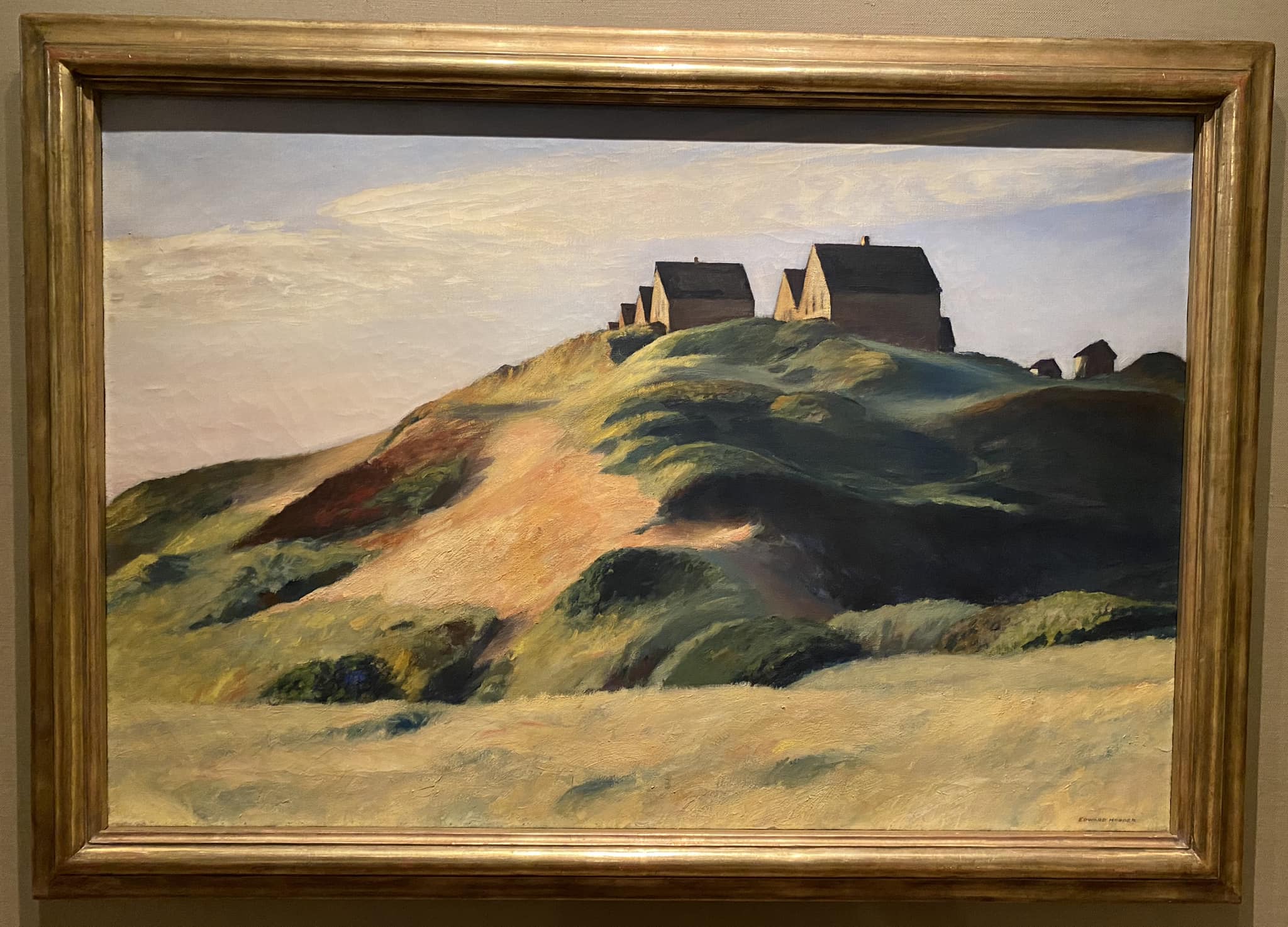
Corn Hill by Edward Hopper. Corn Hill, so named became hungry immigrants (Pilgrims) in 1620, stole a cache of corn from the local Nauset tribe. The Pilgrims later returned to give back to the Nausets for the loss of their corn seed stock. Thinking back to a winter visit to Cape Cod, learned so much.
“A tablet on the knoll at the north end of First Encounter Beach marks the location of the first encounter between the Pilgrims and the Native Americans.
“While the Mayflower remained in Provincetown, Captain Myles Standish and his party explored along Cape Cod Bay. While camped here they were surprised by a group of Nausets; arrows flew and shots were fired, but no harm resulted.
“Another plaque, reflecting a better representation of the incident, was placed at the south end of the parking lot in 2001, but has since disappeared.”
–Eastham Historical Society
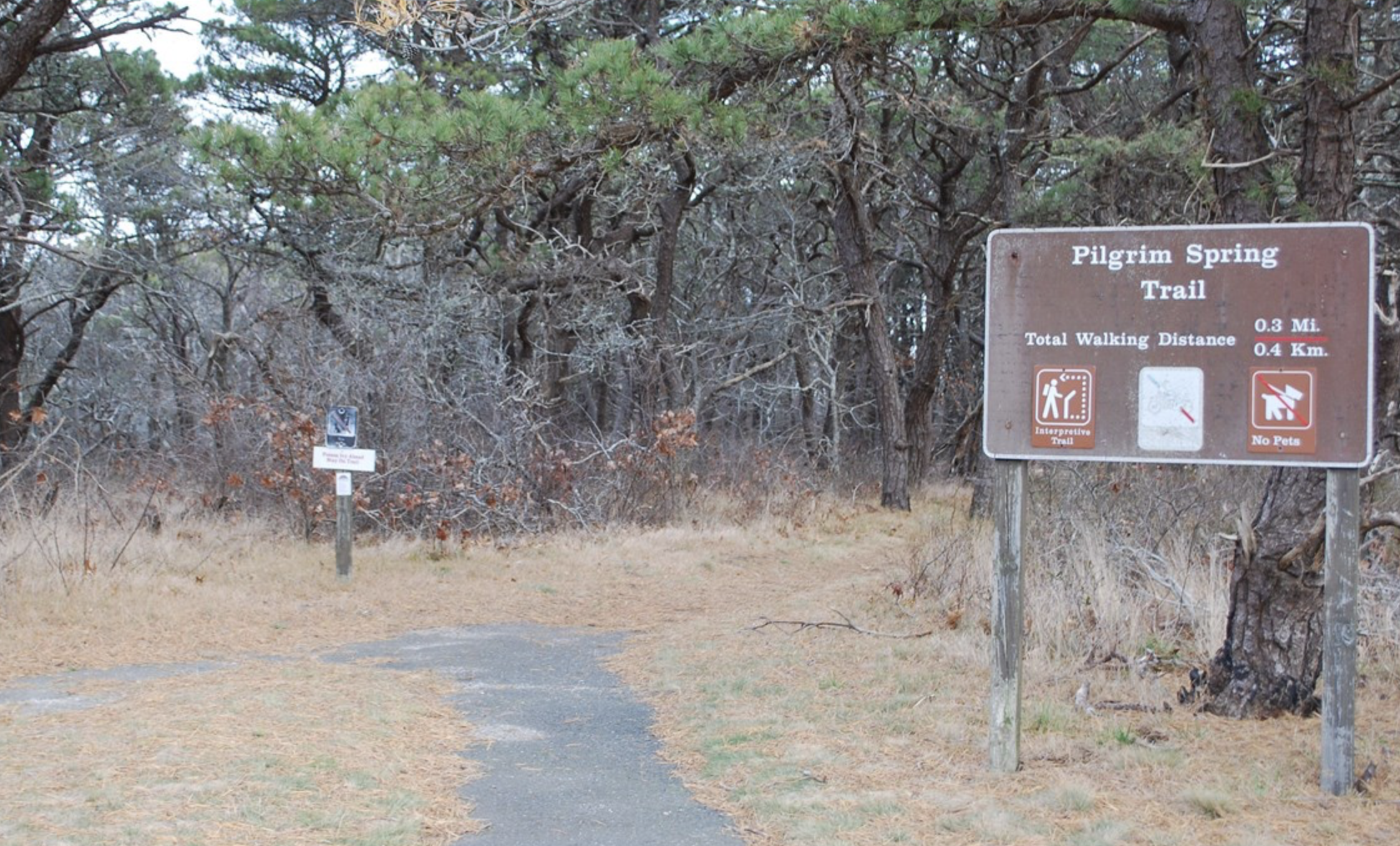
This short loop trail winds through the recovering pine and oak forest, and passes a marker which commemorates the Pilgrim’s initial exploration of this area. The trail is rated as easy. It has solid surface for the duration of the trail with some slopes. There are some log steps. There are seasonal restrooms at the end of the trail in the parking lot. Leashed pets are permitted on this trail. NPS photo, linked to the official site.
Travel educates.
Learning more about two very different cultures came about on a non-traditional Thanksgiving family trip to the original landing site of Pilgrims, the wild landscape of Cape Cod. People from Europe – hungry and in need of fresh water – really landed first in a New World (to them), although the bountiful continent was already inhabited for generations by people yet unknown to the newcomers.
According to the National Park Service Cape Cod National Seashore (a great resource for pre-trip information): “On November 11, 1620, the Pilgrims got their first look at the New World when they saw Cape Cod. The Pilgrim group had permission to settle in the northern part of Virginia (which in those days reached to present-day New York). When the Mayflower turned south, however, it ran into rough, shallow waters and became in danger of tipping over and sinking. It was quickly decided to head back to the deeper, safer waters off the tip of Cape Cod. But now a decision had to be made. Was this where they should stay?
“The next thing that happened was very important indeed. Since Cape Cod was outside the area they were supposed to settle in, the group agreed to write a ‘compact’ or ‘self-governing’ agreement. This agreement became known as the Mayflower Compact.
“After signing the Mayflower Compact, the Pilgrims decided to look over Cape Cod as a place to settle. They sent out three separate “discovery” expeditions to see what the area had to offer. During these ‘discoveries’ they found their first fresh water, took some Indian corn, and almost had a battle (called the First Encounter) with some Native Americans. Cape Cod had many good features, but after a month of searching, it was decided to finally settle in Plymouth.”
Note: To those interested in more details about the discovery of fresh drinking water at a spring, the plundering of corn stores they found at Corn Hill, or the first encounter with the inhabitants of this land (First Encounter Beach), stop in a bookstore on the Cape or ask about a local guide. Maps will also aid in visits to the original sites. Reading snippets of text aloud will help set the scene and add to your own explorations. During our own visit, the weather was harsh and bleak, which added to the experience, in my opinion. (Dress warm and in layers; weather is serious business in winter on the Cape.) After a day spent outdoors, it was slim pickings for food choices as many eateries were closed for the season. No matter.
Feeling hungry and cold to the bone, the warmth of a motel room and hot food at day’s end were reasons enough to give thanks. Celebrating a memorable (and unconventional) Thanksgiving, it was quite easy to cross time and imagine those who crossed the ocean and landed on the same shores way back in 1620.
An exploration to Corn Hill, First Encounter Beach, and other sites over a blasting cold Thanksgiving weekend years ago made the past truly come to life. Though not visible, the interactions of humans from two cultures remain for those with imagination. Go there in winter to taste the reality.
Later, think about a visit to the Pequot Museum, in, yes, Connecticut. Growing up did not (then) know about the history of people living here. Tribes, place names, stories, culture. Nor about whaling, slavery, the Underground Railroad. Making up for lost time now, learning so very much.
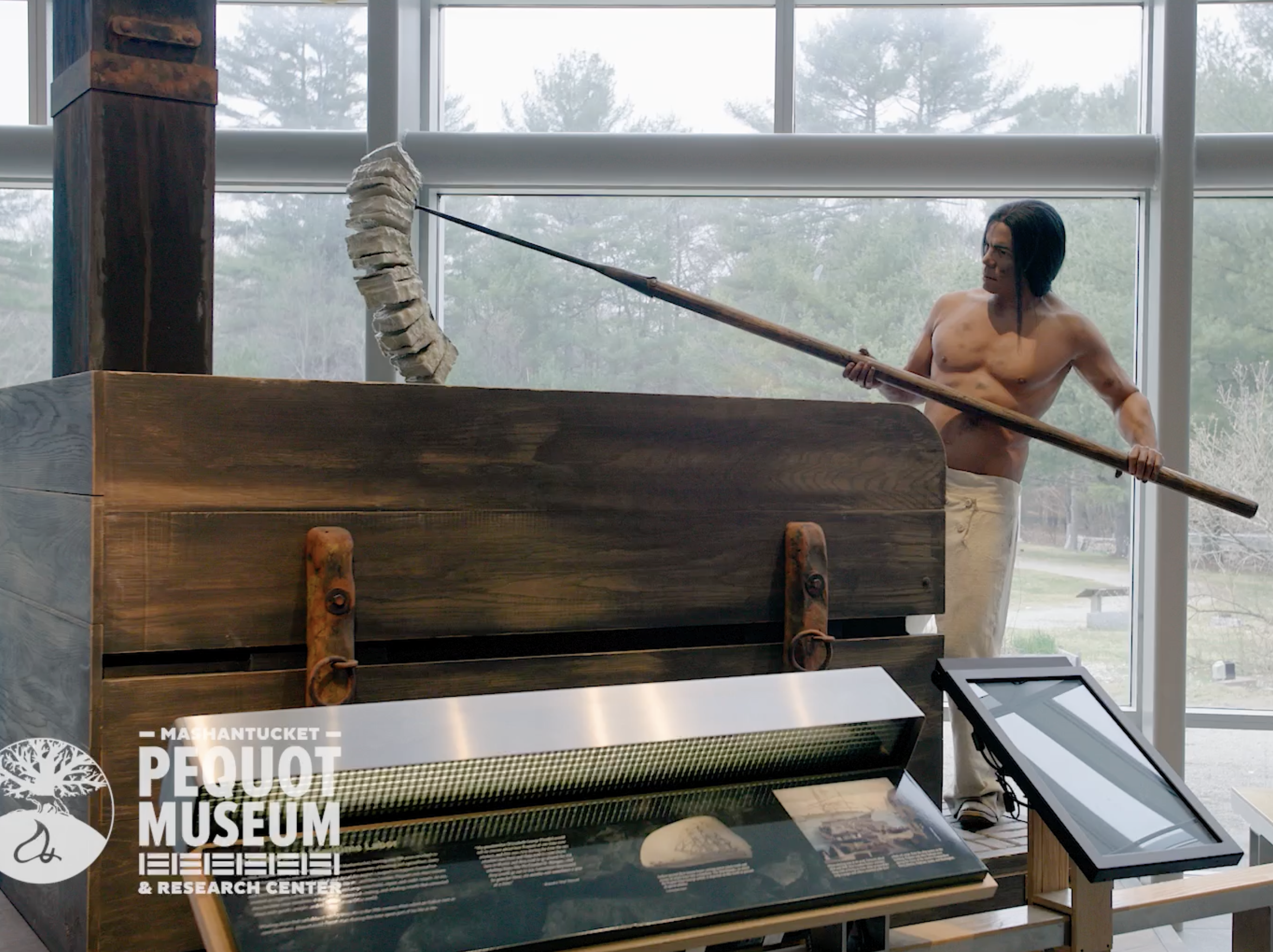
Pequot Museum still image, whaling. Linked to video.
Tribally owned and operated since it opened on Aug. 11, 1998, the museum brings to life the story of the Mashantucket Pequot Tribal Nation. Note: Closed to the public on Nov. 26 and Nov. 27, 2025.
Tribally owned and operated since it opened on Aug. 11, 1998, the museum brings to life the story of the Mashantucket Pequot Tribal Nation. Nearby is the Tantaquidgeon Museum and Museum at the Mohegan Cultural Preservation Center, 1 Church Lane, in Uncasville, CT.
Wuyeepuyôq
Welcome
Nearby is the Tantaquidgeon Museum and Museum at the Mohegan Cultural Preservation Center, 1 Church Lane, in Uncasville, CT.
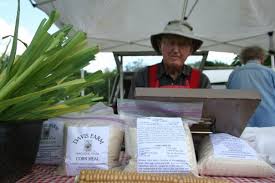
The story of the late Whit Davis and heirloom flint corn, a journey of food and culture that has gone full circle.
“An ear of flint corn held in the hand of (the late) Whit Davis is a teaching tool and leads one on a journey into human history. Indigenous people in Mesoamerica domesticated corn, a grass which is also a grain, in prehistoric times.”
Full story linked here and also at the image.
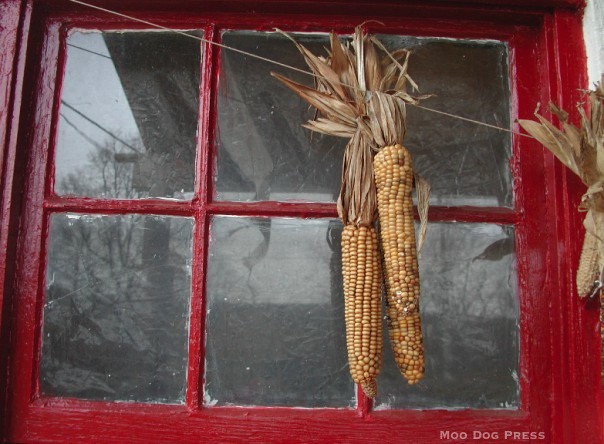
“The flint corn cultivars that have large proportions of kernels with hues outside the yellow range are primarily used ornamentally, notably as part of Thanksgiving decorations in the United States. They are often called either “ornamental corn” or “Indian corn”, although each of those names has other meanings as well. These varieties can also be popped and eaten as pop corn.”
For exploring the history of indigenous people in the Northeast, visit this informative and interesting listing of tribes link to University of Massachusetts.
For added insight, read widely.
For history, stories, local lore about Cape Cod, visit Don Wilding’s Cape Cod. From the official site: “An award-winning writer and editor for Massachusetts newspapers for 30 years, Don pens the popular ‘Shore Lore’ history column for the Cape Codder newspaper of Orleans, and is the author of two books, Henry Beston’s Cape Cod: How ‘The Outermost House’ Inspired a National Seashore, and A Brief History of Eastham: On the Outer Beach of Cape Cod, from The History Press.”
For visiting in off season, the Cape Cod Chamber of Commerce Convention & Visitors Bureau can be a useful resource. Having driven there on a whim in pre-Internet days with only an AAA guidebook and maps, instinct guided the journey of exploration. It’s a personal choice to visit in early winter when the fury of the weather can daunt most (but not all) other humans. (Love the wildness of the lower Cape–which feels like it should be the upper Cape. And Box Lunch, a must stop to refuel.)
Back to Connecticut, a word rooted in an indigenous description for a long tidal river. Or so it is said.
Ekonk, another word unique to Connecticut. The word is Native American – “Ekonk” is a Mohegan term for “long hill or ridge in the town” – or maybe Nipmuk for “bend” depends on which source is consulted. (Could be that neither is the true meaning.)
Note: Portions of this story previously appeared in 2019; updated.