
Bits & Bites: Ode to Words In Space, Time And People
“Why do writers write? Because it isn't there.” –Thomas Berger
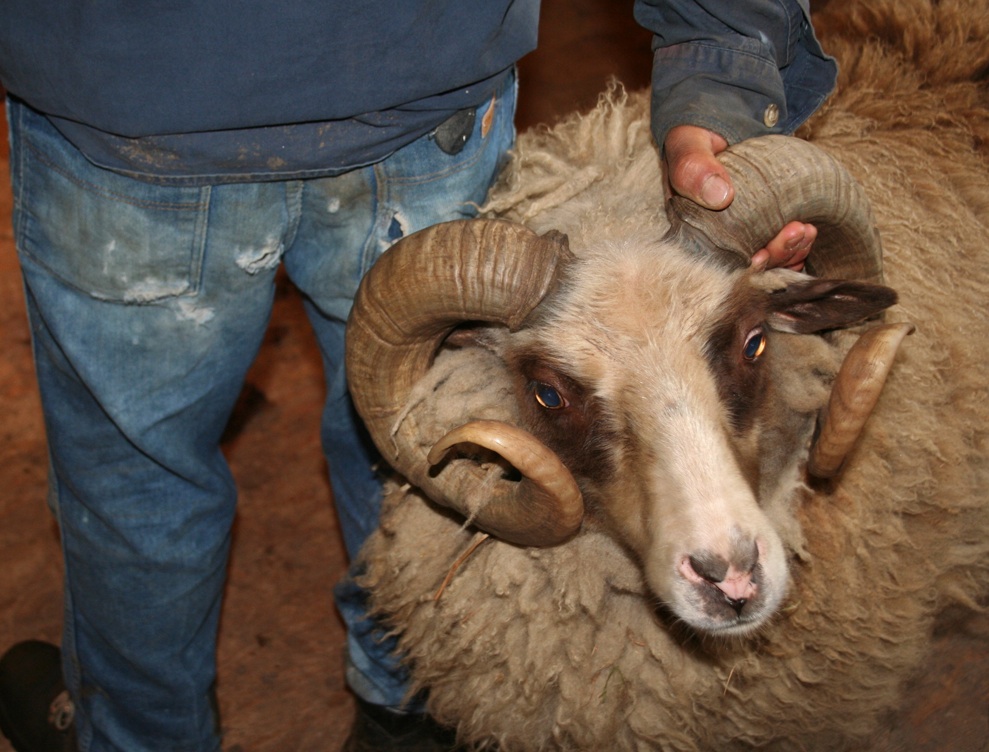
Ram to be shorn, held by a curved horn. From years past, at Groton Family Farm.
And then it is, capture and ferried forward through time, the magic of language and marks on digital pages. Bytes and bits. Bite, bite. Life does.
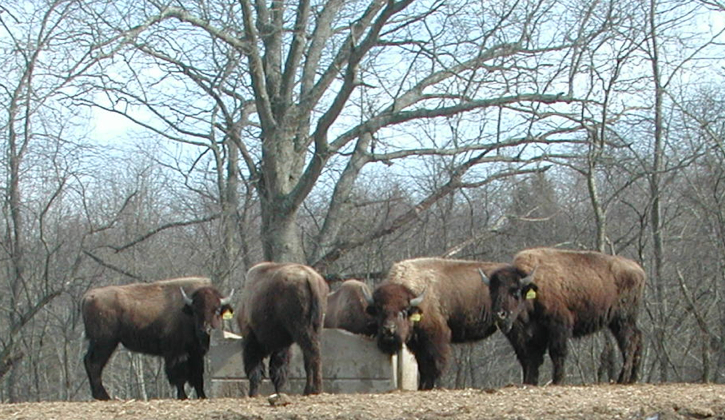
Bison, buffalo. Connecticut, travels.
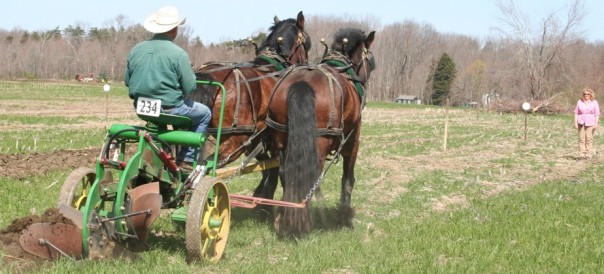
Horsepower, teamwork. From 2012, when the spring plow was held at UConn Storrs campus.
Case in point.
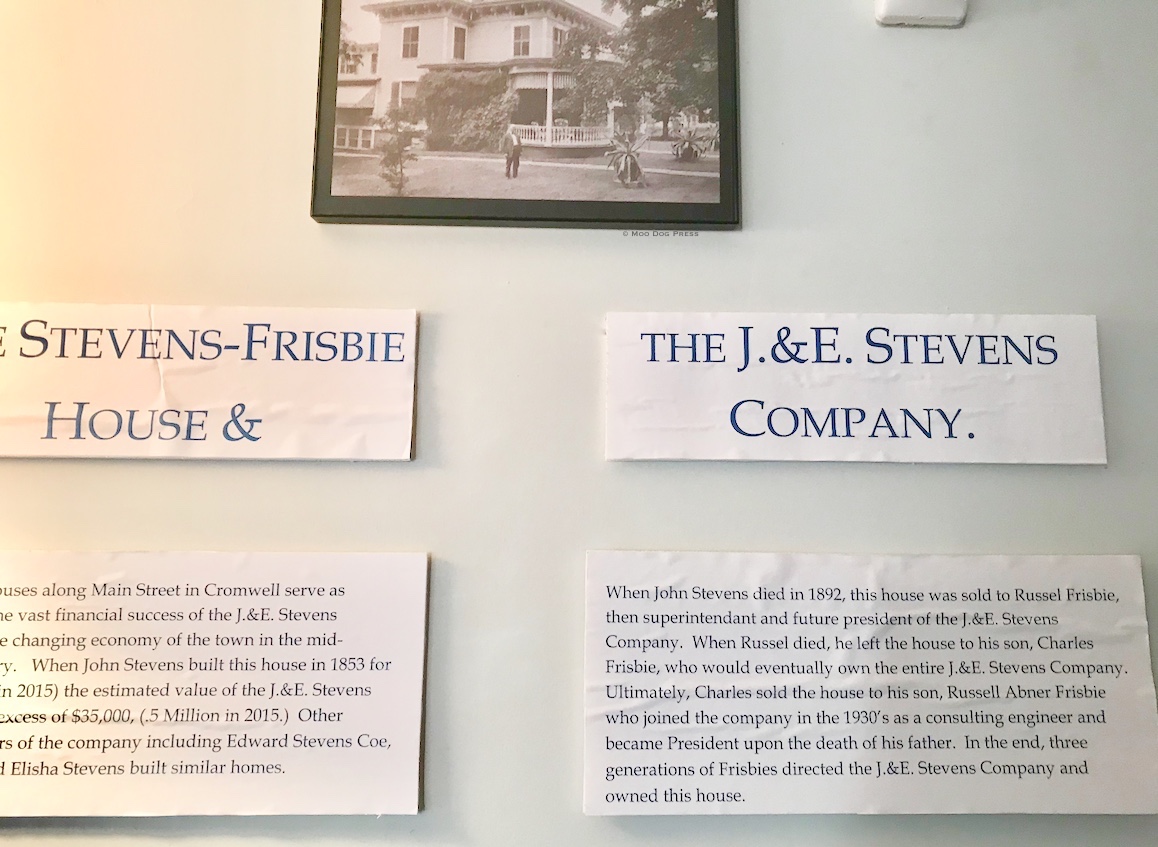
Evolution of a company, Main Street, houses, Cromwell.
A writer creates something new, innovates, discovers. And unseen stories are everywhere. Discovering a pathway to be a writer spun out of a devastation, death of a marriage and the need to work, raise a child, pay bills.
This? (Assistant to a bookkeeper, a family business). Or that? A dream realized to be an editor's assistant in a newspaper office. (Would have swept the floors just to be in that place.)
Make the phone call, choose.
A female editor, a mother of six adult children (apprentice humans until age 28/29) answered my call in response to her ad. “Bring your clips, yes, come by and see me.” (Clips? All that I had was a book review on the front of a catalog. And not with me; made another call, fax it to a third location, pay for that service. Make a copy. Thank you Henry Trentman for saying “Write that down as I went on and on about a book by Hal Borland I had listened to.” It proved to be a key that opened the door.)
She was one of the very first photojournalists in the Midwest. Her work included running a business with her husband, a photography studio, working at Hallmark and wearing roller skates to efficiently move goods around there. Her photography in a small weekly newspaper is what caught my attention.
Thank you Marilyn Spencer. Thank you for the apprenticeship and brutal lessons too. Learning by doing, oh what an education. Thank you for the homemade turkey soup on your patio in Chester (“Chris, you don't have to write about this.”) for showing me your home. For patience with a sense of humor when the question was “What is a may-zhur? (Measure. Picas. Proportional scale. How very well all of that served in years ahead.
Thank you Ron Nolan for later hiring a single parent to serve as editor of a community newspaper that was parallel to a publication that would grow up to provide coverage for the state of Connecticut, business at the dawn of a digital age.
He picked these words as his epitaph.#Connecticut #walk pic.twitter.com/m7MDJocA3b
— Moo Dog Press (@MooDogPress) February 21, 2024
Both people ahead of their time, work from home. Bring in the disk. Take home the blocky Mac and squarish mouse. Hearing Ron say, “I wish I could stay here and not have to go out for interviews.” Not really that many years afterwards, reality and the pandemic made that not only possible, but necessary to adapt and keep going. This era ended on a sour note; sure wish it had not.
The very first feature story handed to Phyllis Donovan, freelancing for the Record-Journal. Sue Chappo.
But quietly in the background, my youngest sister. Always. (I once answered the phone as a child to make up a whopper of a tale that I didn't know where my (then) baby sister was, my family was out looking for her. As the tale was spun, I was looking right at her on the nearby bassinet. Wanted no one but us to be around her, no one else to visit. Um. That didn't work.)
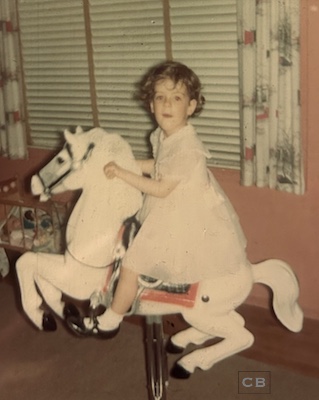
Here she is, a birthday girl.
All the words, writing, conversations over decades. Oh. Channel that into stories, writing, reporting. Her invaluable feedback. (Chris, that's enough of the “trees need bees” in this one.) A note left on my pillow when a mental and professional life wall was hit.
Books. Adventures. Roadtrips. Weathering life storms. The one right now.
So. What would you do differently if today was your last day on earth? (To which she replied, I asked you first.)
Growing up, we shared a room, a language of sorts. Talking late into the night. Twins, separated by four years.
Playing board games, bend the rules a bit so she could win. Watch her delight.
Was mean, too. Then chose to not pass cruelty on. Better, forward.
Once working, the thrill of being able to purchase toys, novelties that spread joy to her at Christmas. Make up find-it games. Dance around the tree because she was too young to join a snowball fight late one night out in the front yard.
Can almost hear her thinking at times. Yeah. Our shared blazing passion for books, plants. Hers for travel. (Have had my fill, except for wandering with them.)
“For where your treasure is, there your heart will be also.”
Am more than a bit discombobulated, bear with it. Please. She's in the hospital.
Have drawers full of her letters, illustrated with drawings, stickers. Once the talking and writing were somewhat muted over a move back home, those torrents funneled into testing the ice, then embracing being a writer. Writing features, profiles, destinations. Morphing over time into a battle-tested editor.
Her input. Valued. She wakes the writing.
Enough for now. Right?
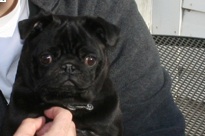
Pug mug. Many farmer markets are dog-friendly.
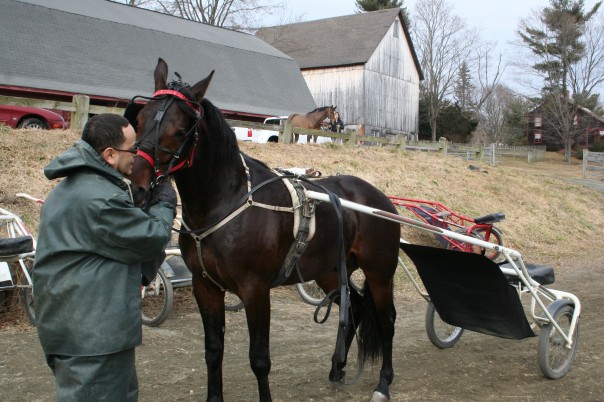
Arrived on front doorstep, opened. Reading. pic.twitter.com/ZHihDi2pOH
— Moo Dog Press (@MooDogPress) March 1, 2024
#learning pic.twitter.com/kowacbNu6Y
— Moo Dog Press (@MooDogPress) February 27, 2024
Random thoughts now. A tidal river water highway. Thoughts of time and how satellite telemetry works. The “Jesus” nut that holds a rotorhead and helicopter together. A dual start valve and all that happened since. What a life. Chapters and dancing through metaphoric minefields.
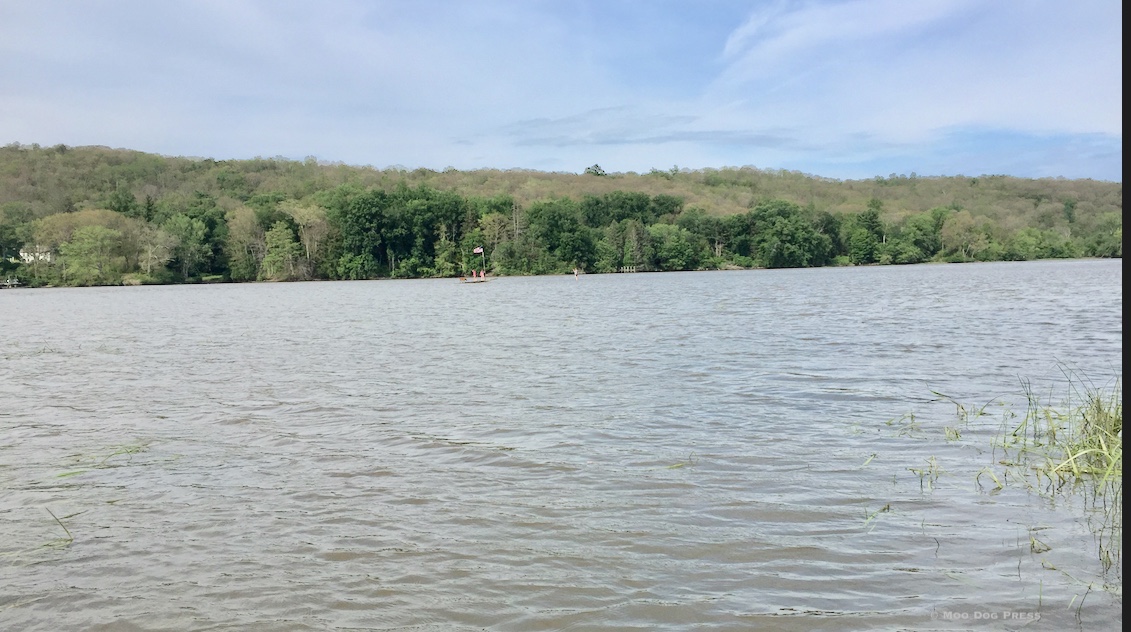
The Connecticut River, a flag and people. Riverports, lives intertwined over time.
Note: Here is a link to Wikipedia “Jesus nut” explanation. This story has been updated.
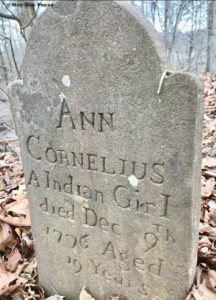
Not forgotten, although her gravestone is at the farthest reaches of the burying grounds. Ann Cornelius, “a Indian girl…1776, age 19 years.”
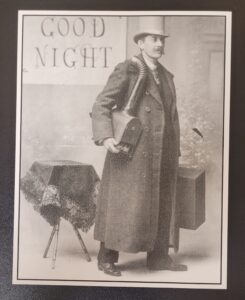
Photographer Burton Hubbell. What that mailbox contraption is, Have no idea but will pursue. From the diligent research by Chris Hendricks.
Stories are everywhere for those curious about connections between the past and present, into the future with words that remember, document. Share. Like this: “The farm ran down to Black Pond on the south and adjoined the Middletown line on the east. There is evidence that Brenton was in Meriden as early as 1760, and on February 18, 1762, he married Lament, the daughter of Jonathan Collins, whose old house has already been pictured, now known as the Samuel Clark place. In 1767 his father presented to Brenton the farm of 200 acres which then included a dwelling and other buildings.”
Photographer Burton Hubbell. What that mailbox contraption is that he is holding in this image, have no idea about what it can be. There was no East Main back then, but instead a road through the pass that continued to Middletown from Meriden. Huh. Liberty Street to Liberty Road?
Thinking that a near-perfect camp would be on the hill, the pasture to the south of that road. Overlooking Black (Beseck) Pond. Away from any gnats and mosquitoes near the water. Wondering if layers of time could reveal any trace of the indigenous humans here.